Know before the line stops
Describe the equipment you want watched. Sentrel watches it, warns you the moment something drifts out of range, and keeps a record you can prove
Live in an afternoon. No integrator, no new sensors, nothing ripped out.

Works with the equipment and protocols your team already runs
Machines rarely fail without warning, The warning goes unseen
The readings that predict a stop already sit inside your equipment. What is missing is someone watching them at 3 a.m

You find out afterwards
The bearing failure and the cooler that drifted overnight were both in the data. Both were found once the cost was paid.

The project is bigger than the problem
Watching one pump turns into servers, network changes and a timeline measured in quarters.

Your floor is treated as the obstacle
Three controller vendors and a machine from 2008 get quoted as a replacement program, when the readings already exist inside them.

You cannot prove any of it
When an auditor or a customer asks whether a record is genuine, "it is in the system" is not an answer.
Three things you get on day one
Not a toolkit to assemble. Warning, visibility and proof work from your first connected machine

Hear about it while you can still act
Set the window each machine should stay inside, in your own words. Every reading is checked against it as it arrives, and a breach reaches your team immediately.
- Brief spikes caught, not stepped over between checks
- Equipment that goes quiet raises a warning of its own
- Alerts name the machine, the reading and the limit
- Pump P-12Line 2 · Utilities2,840 RPM
- Compressor C-04Line 2 · Air142 PSI
- Chiller CH-01Plant · Cooling8.4 mm/s
- Press PR-07Line 4 · Forming61 °C
Everything in one place, floor to office
Live dashboards and SCADA-style process screens you create by describing them. Equipment overview, fault analysis, cost and reports are already there.
- A new view in minutes, built by whoever needs it
- Floor screens and management roll-ups from one source
- Each role sees what it should, and nothing more

Evidence that is ready before they ask
Readings are sealed as they are recorded and can only be added to. You demonstrate the record is intact rather than vouching for it.
- Verify the whole history in one click
- One searchable trail across readings, changes and access
- Supports 21 CFR Part 11 controls as standard, not as a tier
Three steps, one afternoon
No servers to provision, no screens to hand-build, nobody outside your team in the loop

Describe it
Write the equipment, the readings and the limits in a sentence. Adjust anything Sentrel gets wrong before it goes live.

Connect it
It reads the machines you already run, over the protocols they already speak. Nothing is replaced, nothing is rewired, and your control logic is untouched.

Go live
Readings arrive, limits start being checked, and your dashboards fill in. Most teams are watching real equipment the same afternoon.
Everything you would otherwise assemble
One platform, not a set of modules to license separately. All of it is included


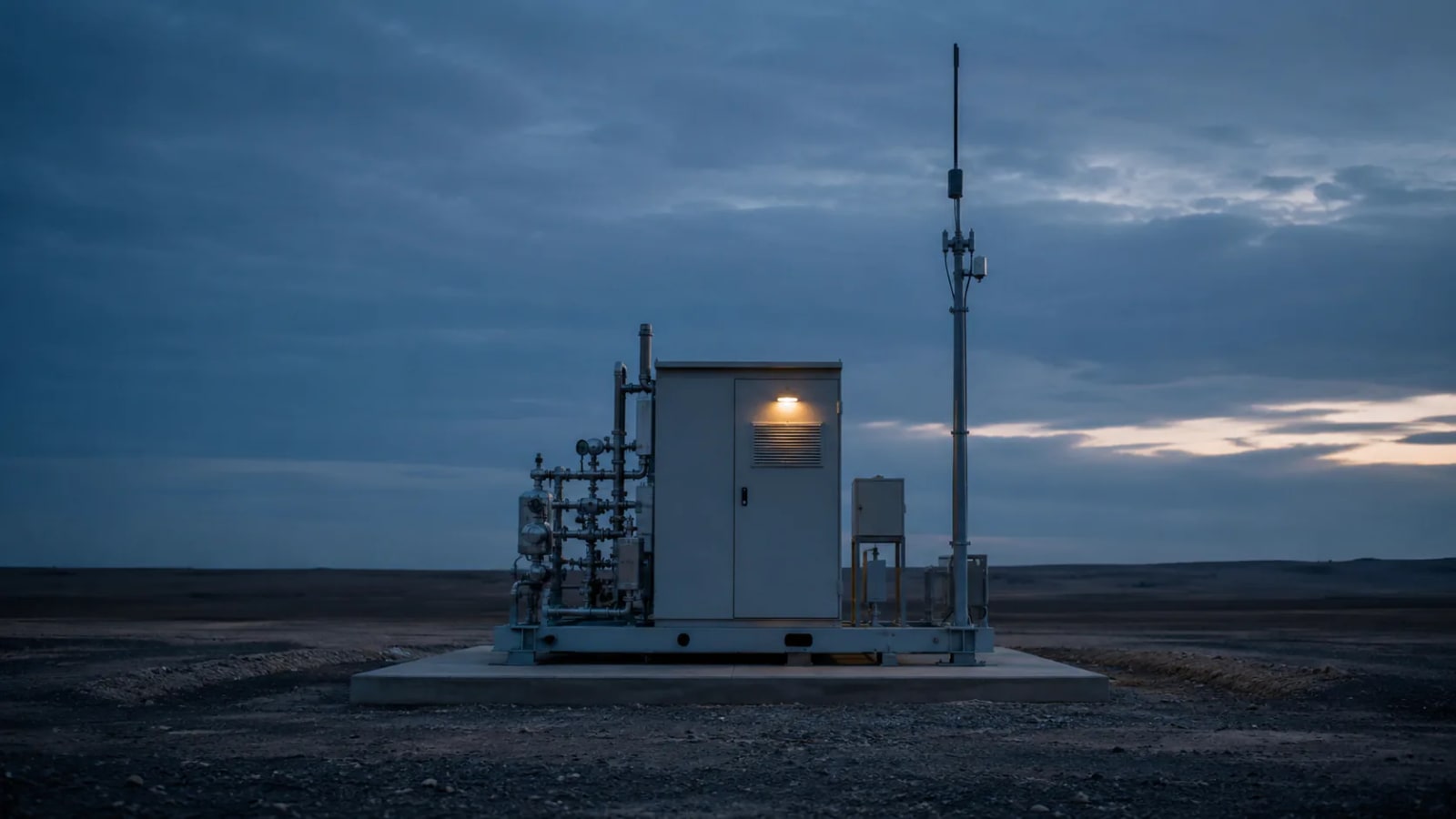


Built for the places where uptime is the product
From a single pump to a portfolio of sites. If your equipment reports a reading, it can be watched
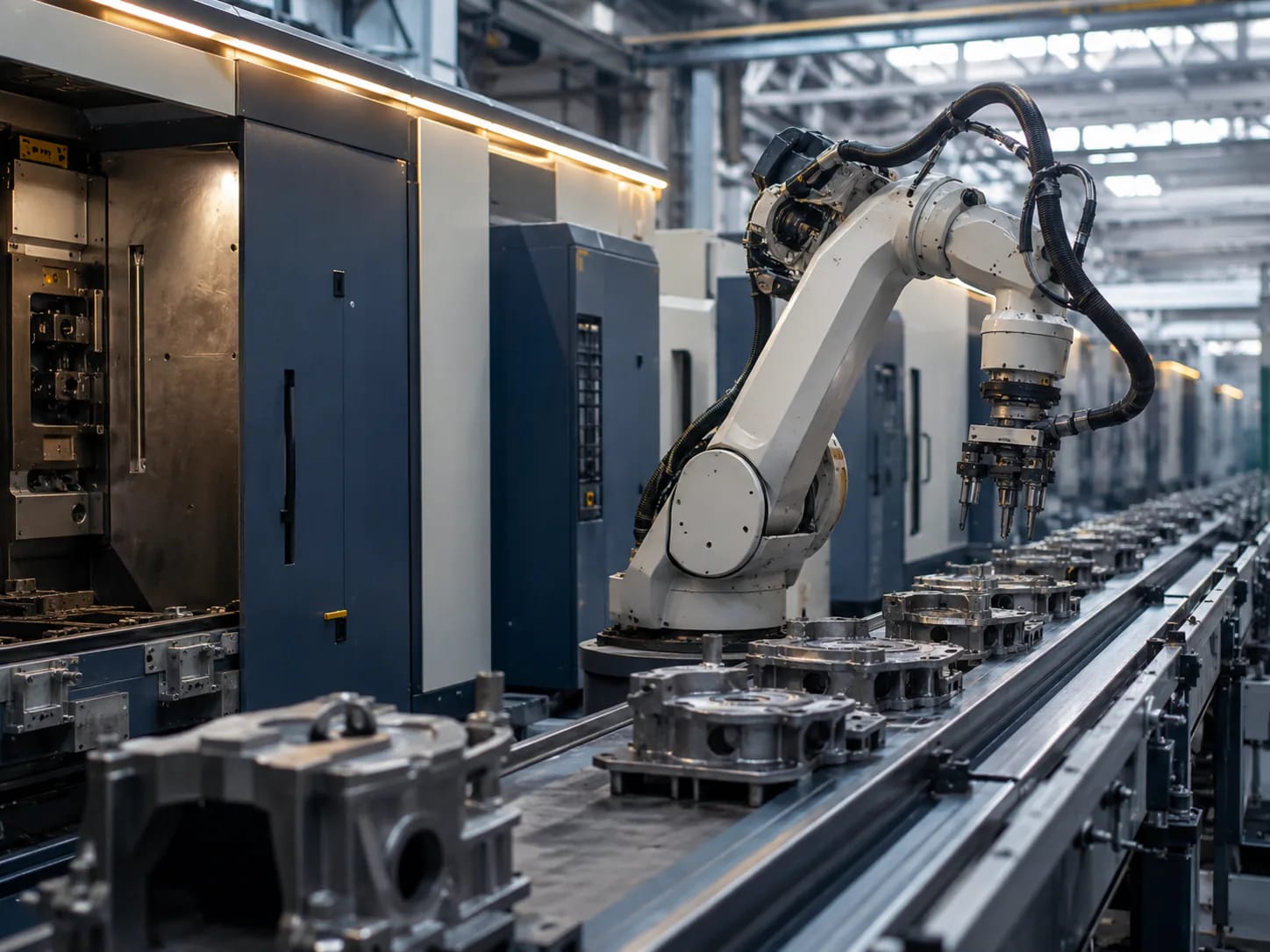

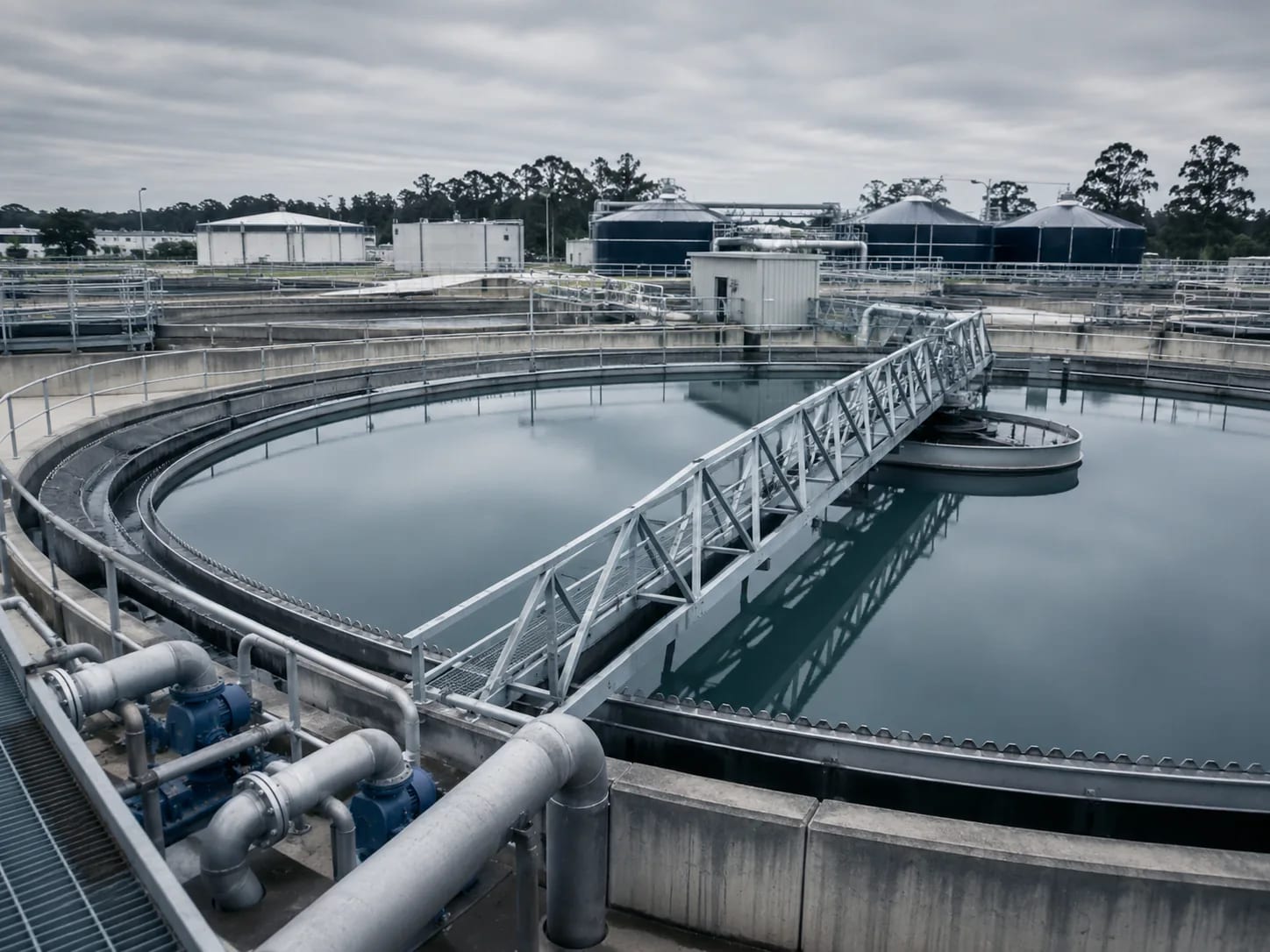
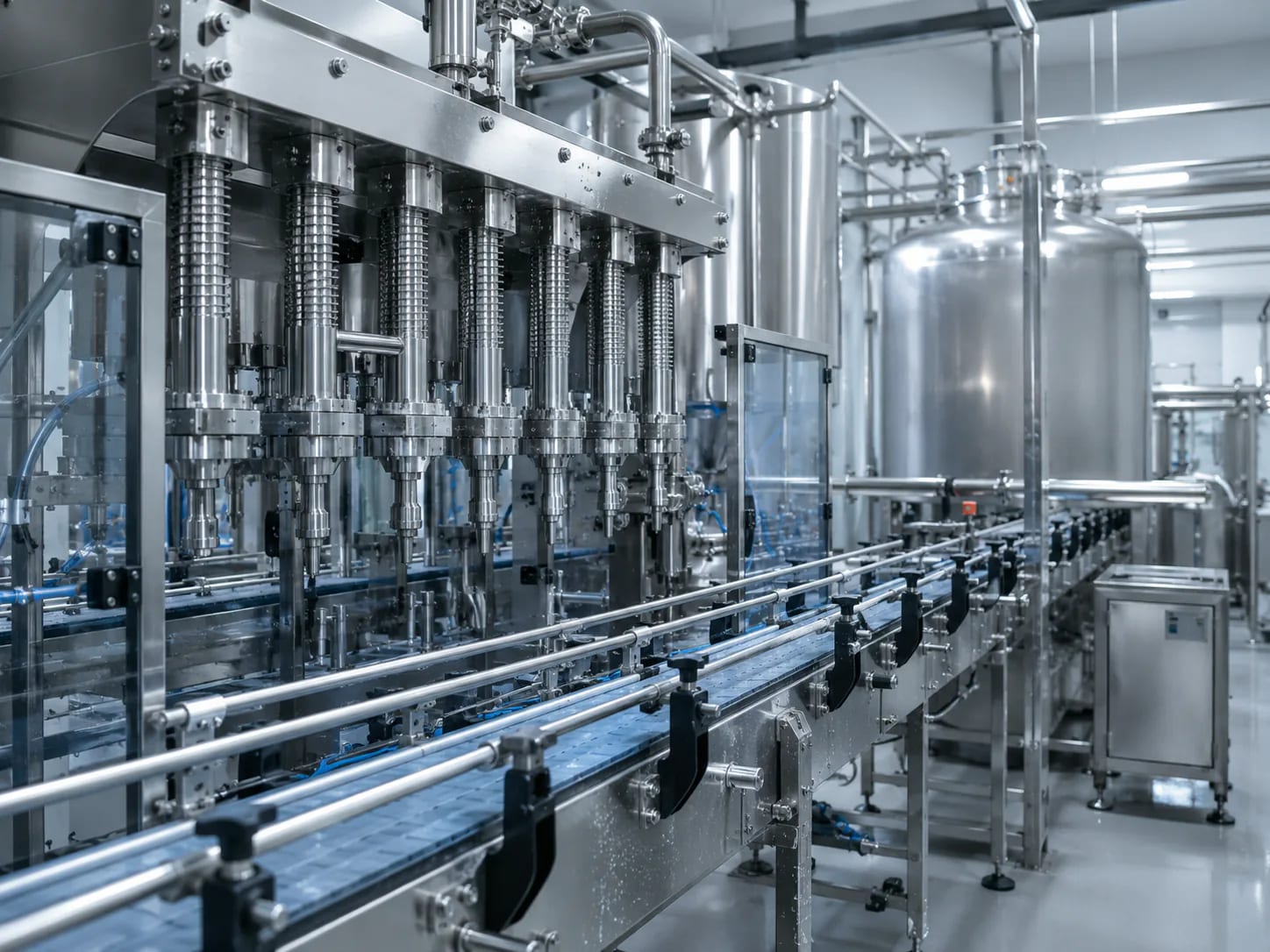
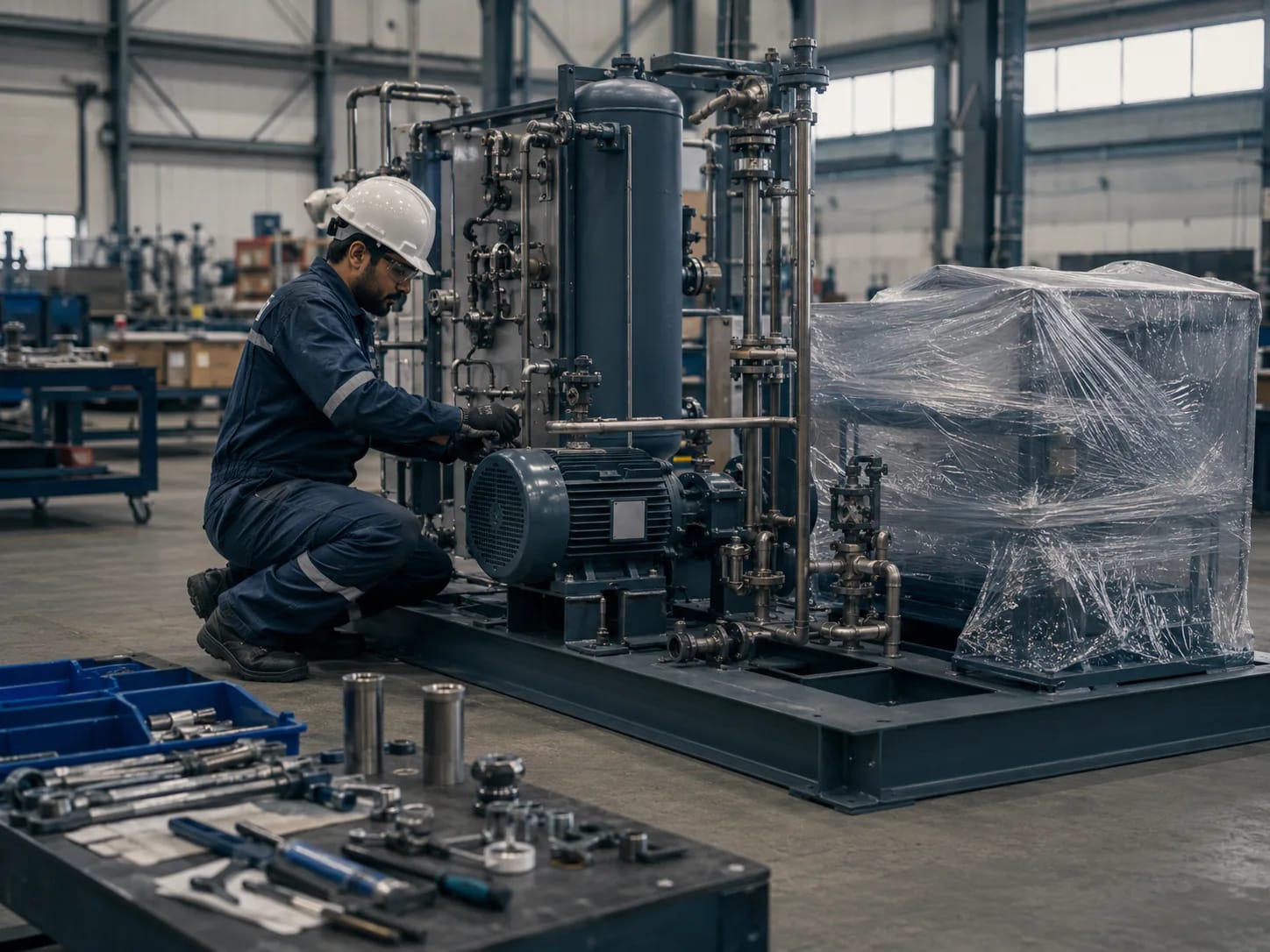

Built for the floor, not for the demo
Sentrel runs on the gateways, controllers and protocols your team already trusts.
What OT teams ask first

Sentrel is vendor-neutral and reads your existing equipment over Modbus and OPC-UA. There are no proprietary sensors to buy, nothing to rip out, and in most plants no new hardware either.
You describe what you want watched the way you would to a colleague: "Monitor pump P-12 for speed, pressure and vibration. Warn me above 3,000 RPM or 150 PSI." Sentrel proposes the readings and limits, shows you what it understood, and waits for you to confirm. You change it later the same way.
No. Sentrel reads values that already exist. Your control logic, setpoints and sequences are untouched.
Yes. Readings and configuration changes are sealed when recorded and can only be added to, never overwritten. One check confirms the record is intact, or identifies exactly which entry is not.
No. Sentrel is hosted and turnkey: alerting, dashboards, reporting, roles and the compliance record all work out of the box. You stand it up yourself and reach first value in an afternoon.
Any reading your equipment exposes: speed, pressure, temperature, vibration, flow, current, level, run state and more. You set the window each machine should stay inside and get warned in real time when it leaves it.
See your equipment this afternoon
Describe what you want watched, connect it to the machines you already run, and be live today